There is a legal fight playing out in a California courtroom that could actually settle something about AI art. Not just another thinkpiece — a real case with real money at stake.
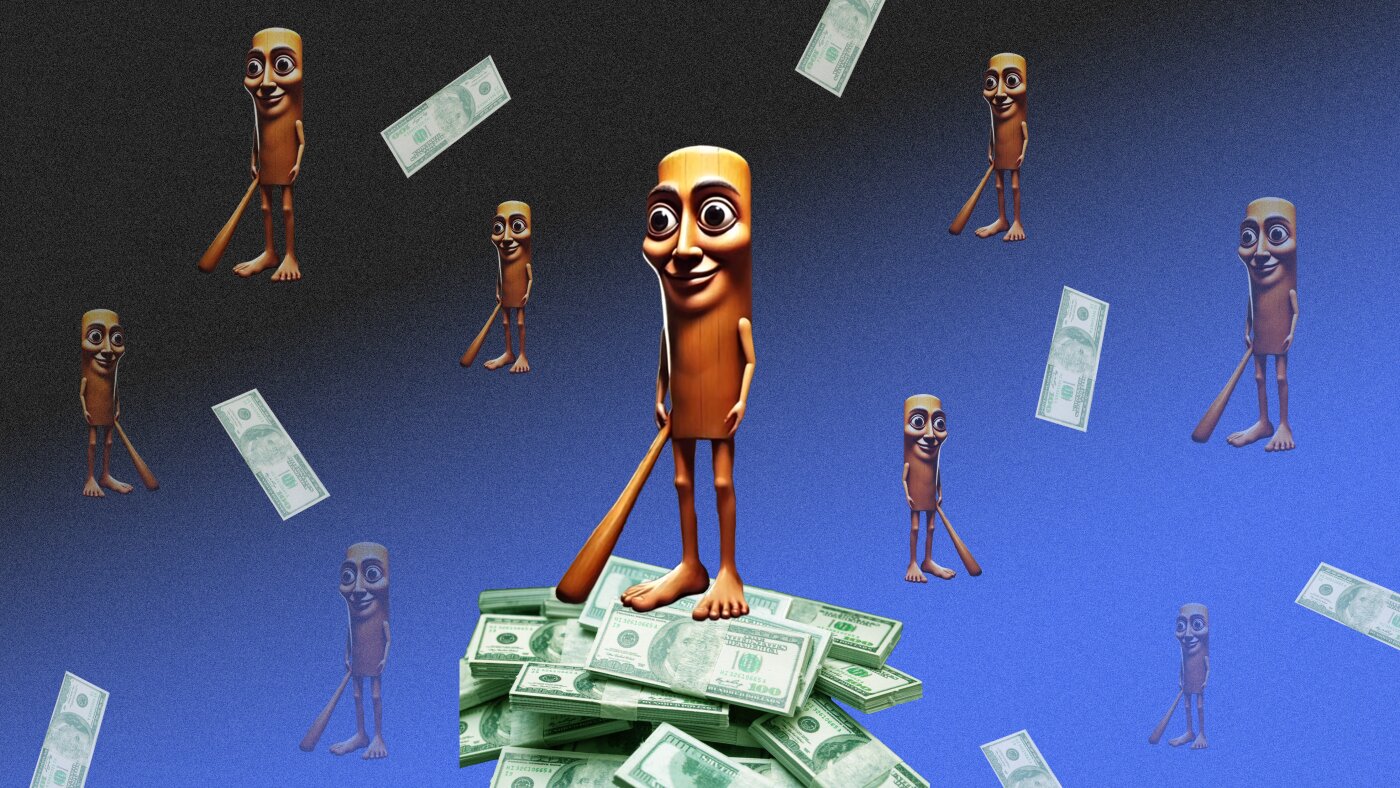
A Roblox game called Steal a Brainrot became one of the top games on the platform by featuring characters from the Italian brainrot meme universe. Think Tung Tung Sahur — a wooden stick with a face and a baseball bat, created by an Indonesian teenager named Noxa using seven prompts in an AI image generator. Fifteen minutes of work.
A French company called Mementum Lab, representing Noxa and other creators, sent a licensing request to Do Big Studios, the game's developer. Instead of paying, Do Big sued them. Their argument is blunt: 'Under established law, copyright protection requires human authorship, and AI-generated material does not qualify.'
Aaron Moss, Do Big's lawyer, put it plainly: 'It is our client's position that the various brainrots that are featured in this game, because they were created by AI, are not protectable — they are not owned by anybody.'
On the other side, Mementum's lawyer Steven Stein argues differently: 'If I sat here right now and drew a picture of something and spent 30 seconds doing that, that could be copyrightable.'
The Copyright Office says AI-assisted work can be copyrighted but it must be analyzed case-by-case. UCLA professor Mark McKenna thinks Tung Tung Sahur could have a shot: 'In general, the standard for originality is pretty low. It does not have to be, like, the most creative thing in the history of the world.'
Mementum is also pursuing trademark claims as a backup, which McKenna calls 'a misuse of trademark law.'
This case will not settle everything about AI and copyright. But it will set a precedent for whether AI-generated characters can actually be owned. I am watching this one closely.
"Under established law, copyright protection requires human authorship, and AI-generated material does not qualify." — Do Big Studios
"If I sat here right now and drew a picture of something and spent 30 seconds doing that, that could be copyrightable." — Steven Stein, Mementum Lab lawyer
"In general, the standard for originality is pretty low. It does not have to be, like, the most creative thing in the history of the world." — Mark McKenna, UCLA
Source: https://www.npr.org/2026/08/19/nx-s1-5867638/artificial-intelligence-brainrot-memes-copyright-spyder-tung-tung-sahur